
Chemistry’s opportunity gap: Beyond Access report lays bare the impact of socioeconomic background on students’ careers in the UK
We are pushing for change to open chemistry careers to all students as our new report shows how socioeconomic background shapes opportunity.
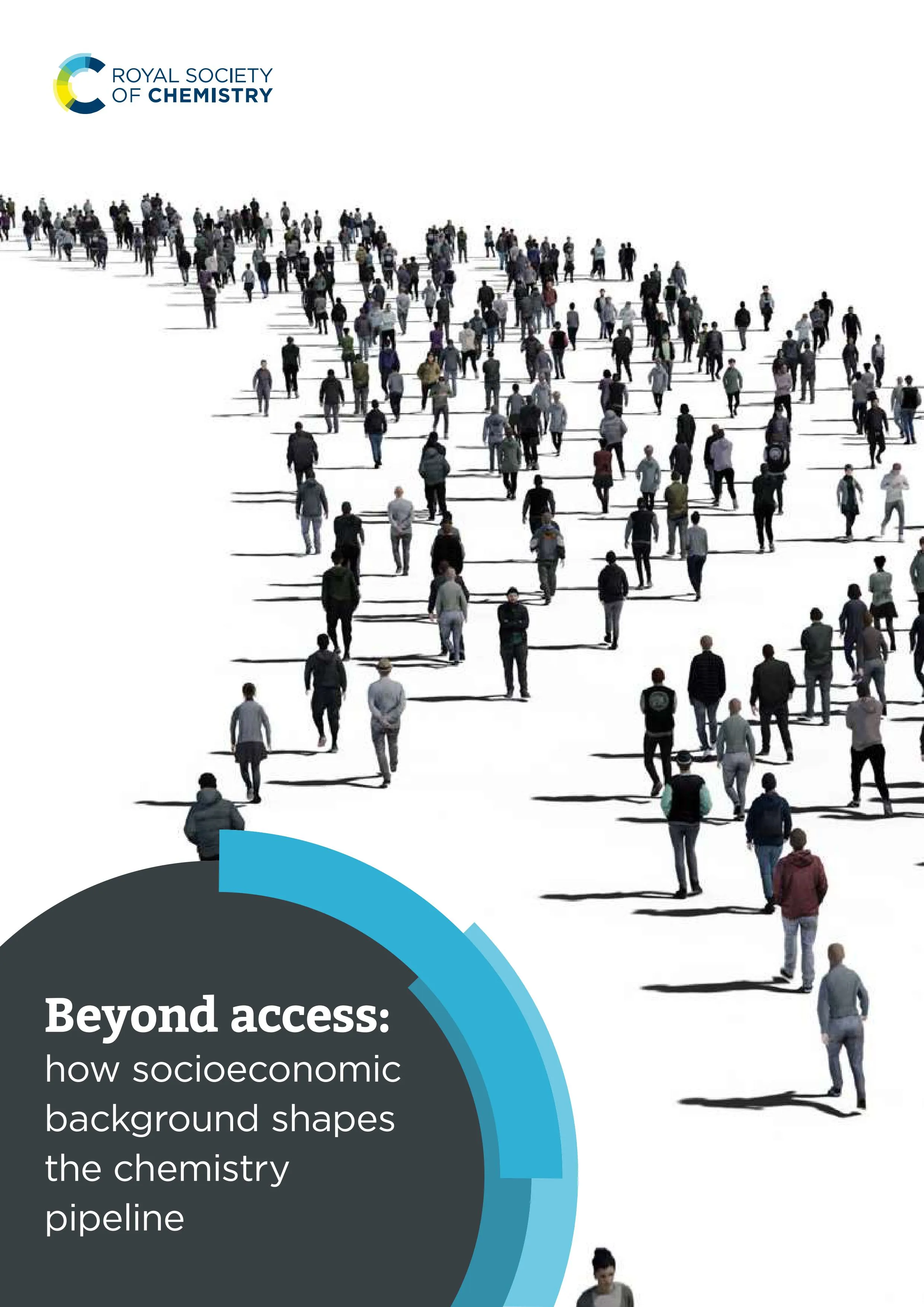
Financial pressures, weaker professional networks and reduced access to enrichment opportunities are holding back students from lower socioeconomic backgrounds in the chemical sciences, according to new research.
Findings detailed in our new Beyond access: how socioeconomic background shapes the chemistry pipeline report suggest that socioeconomic background continues to shape who succeeds in chemistry, contributing to lower levels of confidence, poorer wellbeing and a diminished sense of belonging among affected UK undergraduate students.
Inequalities mean that career paths are often shaped by constraint rather than a lack of ambition or choice. Students from lower socioeconomic backgrounds may need to balance their studies with paid work, resulting in fewer opportunities to participate in internships or extracurricular activities, and miss out on valuable educational and professional experiences. This loss of talent results in a less diverse and representative chemical community as well as shackling innovation and science’s ability to address complex real-world challenges.
Released to coincide with Social Mobility Day 2026, the report and accompanying webpage highlights the scale of socioeconomic inequality but also lays out what can be done to break down these barriers. Paid opportunities, targeted financial support, mentoring and inclusive teaching practices that improve access, confidence and progression are all cited in the report as examples of what can address these issues.
However, providing these measures alone is insufficient. They must be designed and delivered in ways that are genuinely inclusive and responsive to the barriers that limit participation.
To address these challenges, we have laid out eight recommendations for universities, chemistry departments, funders, policymakers and regulators. We ourselves have also committed to five actions as we work to improve fairness and inclusion throughout the chemical sciences.
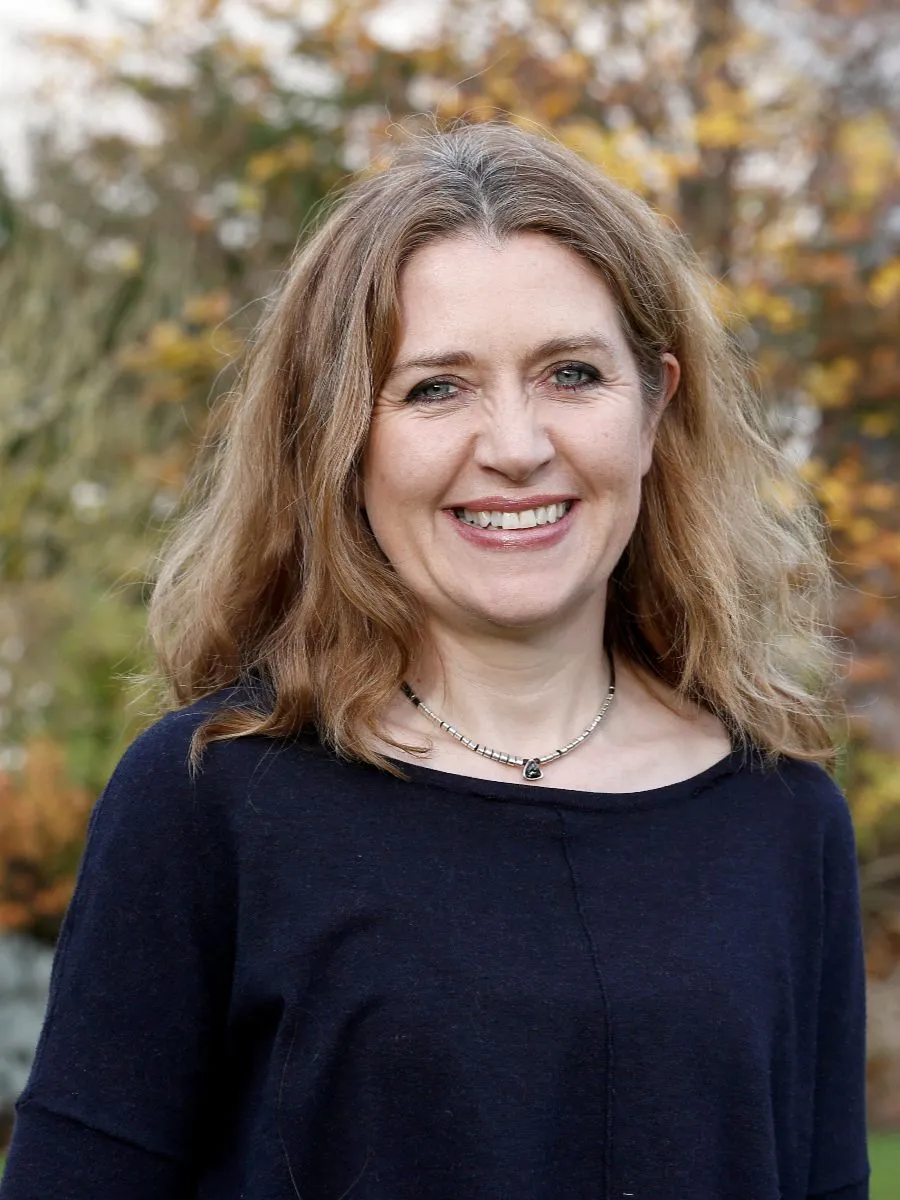
Professor Elise Cartmell
Professor Elise Cartmell, Chair of our Inclusion & Diversity Committee and an RSC Trustee, believes that pushing to improve accessibility alone is not enough and called for a greater commitment to breaking down the obstacles that face many UK undergraduate students who hail from lower socioeconomic backgrounds.
"Students from all backgrounds bring strength, resilience and ambition to chemistry, greatly improving the chemical sciences overall," she said.
"Our responsibility now is to ensure that the environments they enter recognise their value, remove hidden barriers, and enable every student not just to access the chemical sciences, but to belong and succeed within it."
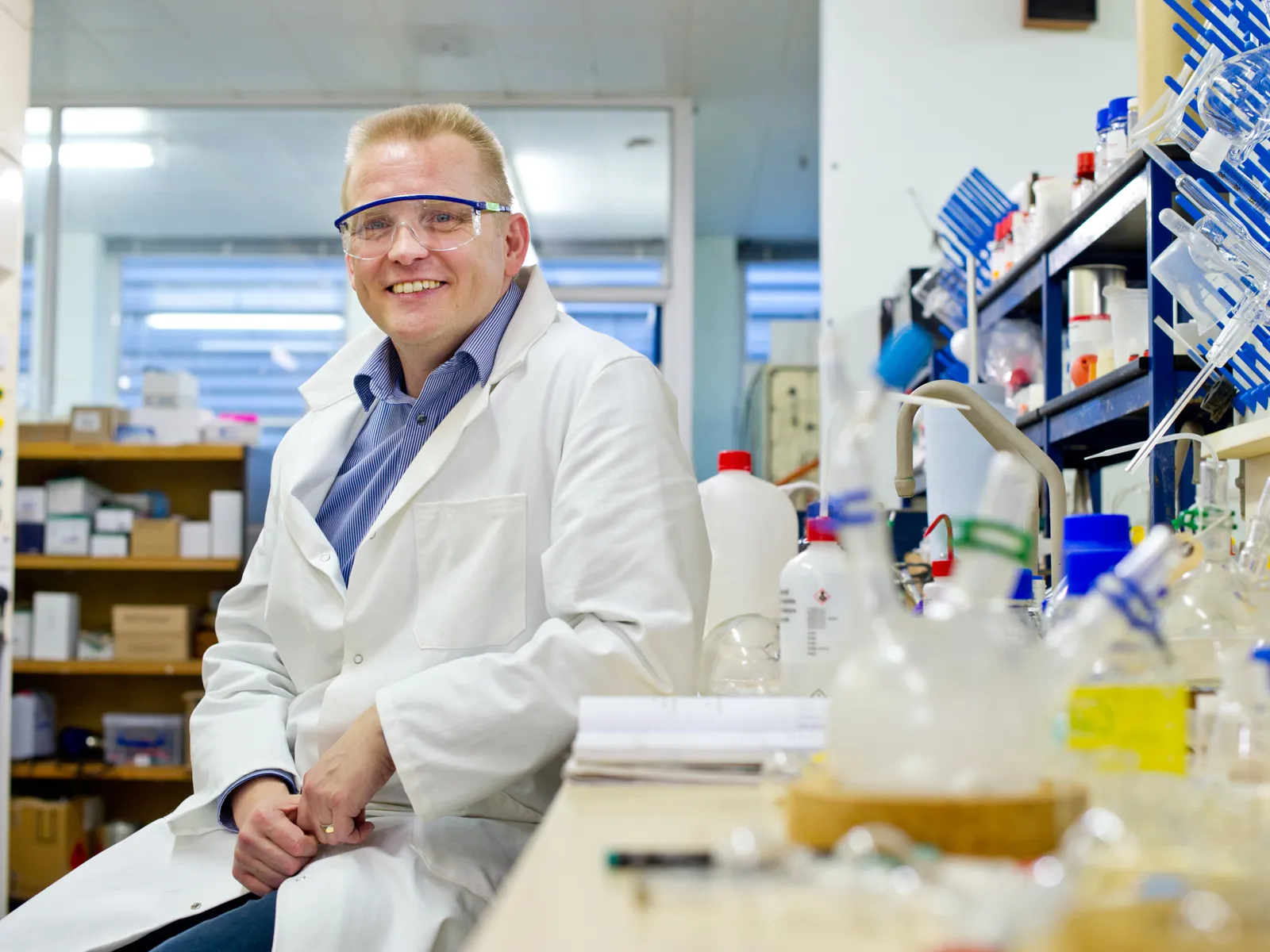
Professor Tom Welton
Speaking about the importance of support systems, Professor Tom Welton, Emeritus Professor of Sustainable Chemistry at Imperial College London and former RSC President, added: "Studying chemistry took me from a council estate in London to an amazing career that I didn’t even know existed, but this was not achieved without the support of others. Getting this help should not be down to luck and the generosity of others."
The report finds that inequalities begin early, with differences in access to high-quality teaching, subject choices and encouragement shaping who enters chemistry pathways. These initial disparities are then compounded over time, leading to gaps in postgraduate progression, research participation and workforce retention.
Students from lower socioeconomic backgrounds were also found to possess an abundance of strengths. These include resilience, adaptability and motivation – traits often forged in response to systemic inequalities, and which would enable individuals to thrive if they were offered the right support and equitable opportunities.
Socioeconomic background is not a marginal factor in a student's journey through chemistry – it is a structuring force that shapes belonging, identity, and career trajectories from the very start. Students from lower socioeconomic backgrounds bring remarkable resilience and ambition, yet too often encounter hidden barriers that our systems fail to recognise or address.
Professor Rachel O’Reilly, Pro-Vice Chancellor, Research and Professor of Chemistry at the University of Birmingham
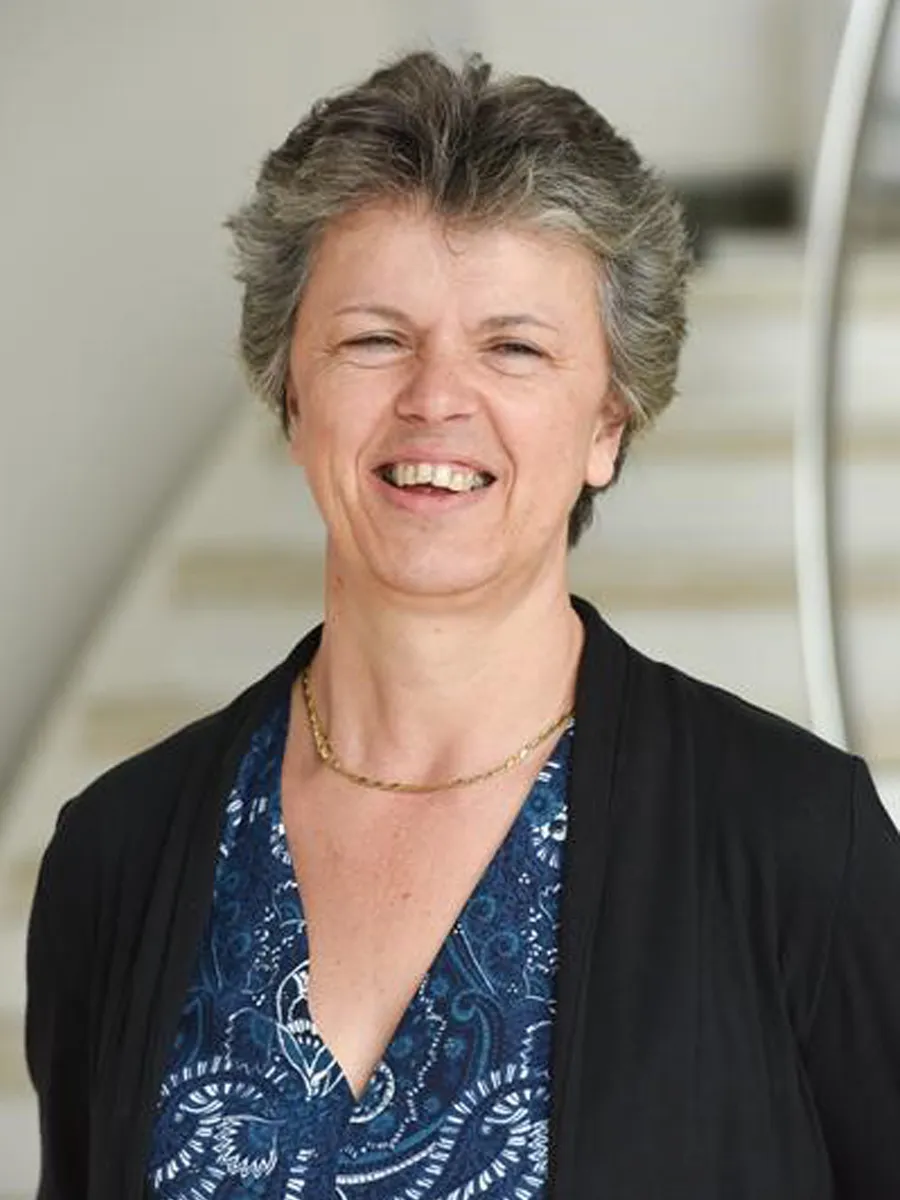
Professor Gill Reid
"The RSC’s inclusion and diversity initiatives - from Breaking the Barriers to Missing Elements - have been instrumental in exposing barriers that limit progression in the chemical sciences," added former RSC President Professor Gill Reid, a professor at the University of Southampton.
"Among these, socioeconomic factors are often overlooked, yet they can profoundly affect undergraduate students’ opportunities and outcomes. Although universities are making progress, this report brings needed attention to the socioeconomic challenges and misconceptions individuals face, offering practical actions to help remove them and support a more inclusive chemical sciences community."
Our research emphasises that widening access to chemistry degrees alone is not enough. Instead, it calls for a shift towards transforming higher education environments so that all students can thrive once they enter. This includes challenging cultural norms, embedding inclusive practices across teaching and research, and ensuring equitable access to opportunities that support career development.
To help achieve this, the report sets out a series of recommendations for universities, funders, policymakers and professional bodies. These include collecting better data and adopting a common language on socioeconomic background, recognising a broader range of talents and experiences, expanding flexible support mechanisms, and ensuring that enrichment opportunities are both accessible and fairly compensated.
This report is a welcome contribution to the evidence base with a clear call to action to systematise the responses of educators, policymakers and professional bodies so that those with talent and interest in the chemical sciences, whatever their backgrounds, can access and thrive within our community.
Kevin Coutinho, Chair of the Board of Trustees for the Windsor Fellowship
Delivering this change will require co-ordinated, long-term action across the sector, ensuring that interventions are not one-offs but are instead sustained efforts reaching those who need them the most.
As such, we will play a key role in driving change by convening stakeholders, amplifying student voices and embedding socioeconomic considerations into accreditation and professional standards.
The report has been warmly received by interested parties, with particular praise for both the insights generated and the practical nature of the recommendations.

Dr Alison Wall
"We look forward to continuing our partnership with the RSC to advance inclusion from the perspective of socioeconomic background," said Dr Alison Wall, Deputy Director, Talent and Skills at UKRI-EPSRC.
"Insights from this research will support the ambitions and delivery of our new EDI action plan, which aims to create a more inclusive and welcoming research and innovation environment that benefits everyone across UK engineering and physical sciences.
"We will also collect socioeconomic background data through our annual doctoral student monitoring reports, collating university-level data and linking to HESA and learned society datasets, to better understand the impact of socioeconomic disadvantage on doctoral education and broader career pathways."
Dr Steve Smith, Visiting Fellow at the University of Reading and former RSC Inclusion and Diversity Committee member, added: "As we mark Social Mobility Day, it has never been more important to challenge systemic barriers and promote real opportunities to ensure that everyone is reaching their full potential.
"The cost and value of degree courses is under increasing scrutiny in the UK, and this will disproportionately impact the early-career choices of those from disadvantaged socioeconomic backgrounds."
The excellent new report from the RSC proposes some very practical steps that universities, funding bodies and other stakeholders can take to recognise the issue and develop talented individuals, whatever their background.
Dr Steve Smith
This new research is the first major piece of work launched by our Inclusion and Diversity team since the unveiling of our I&D Strategy to 2030 earlier this year. Following on from previous reports that have examined race and ethnicity, gender, sexuality and gender identity, disability and neurodiversity, the Beyond Access report adds to our understanding of the problems faced by those from minority backgrounds in the chemical sciences.
- Read the full report and explore the findings and recommendations on our dedicated report page.